
A loss adjuster, or insurance adjuster, investigates insurance claims and puts a value on the loss. The adjuster your insurance company sends works for the insurer. A public adjuster is one you hire yourself: if your Charlotte-area home or business has suffered property damage, a public adjuster negotiates with your insurance company for the full amount your policy covers, and helps you do everything needed to file the claim properly.
To deal effectively with a loss adjuster:
- Have your insurance policy ready for them. This means the full policy, with its declarations page and endorsements, and not just an insurance card or proof of coverage.
- Have the paperwork about your loss ready; this might include a fire department or police report, photos and videos of the damage, and letters from your insurer.
- If you’ve ever made a home inventory, for your insurer or for any other reason, it can also help an adjuster document your claim.
- If you’ve already taken steps to limit the damage, such as hiring a water damage cleanup company or a tree service, have their estimates, invoices and receipts ready.
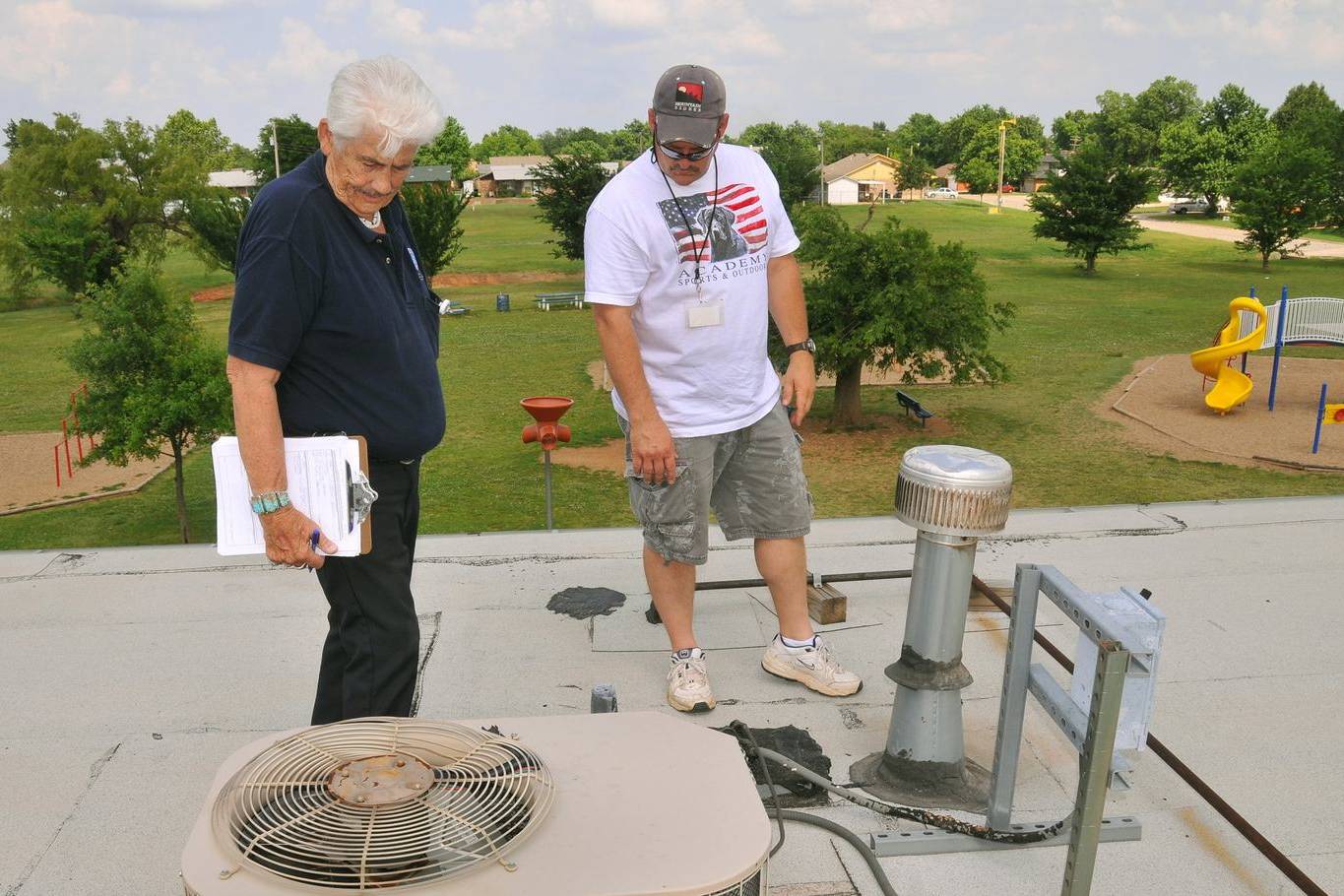
- Be prepared for an adjuster to investigate the claim themselves; they will inspect the damaged property and may ask you detailed questions.
- Remember that an adjuster works within your policy’s terms and limits; a public adjuster can argue for a higher settlement, but cannot force an insurer to pay more than the policy owes.
To help you get the most your policy allows, it’s helpful to know a bit more about how an insurance adjuster works and when you need one. You might also note some added tips about what they’ll need from you in order to do their job effectively!
A property owner should also know what a loss adjuster cannot do for them, and the difference between an adjuster and an attorney. You’ll then be better prepared if you ever suffer property damage, and will know how a public adjuster can help.
Simple Tips for Dealing Effectively With a Loss Adjuster
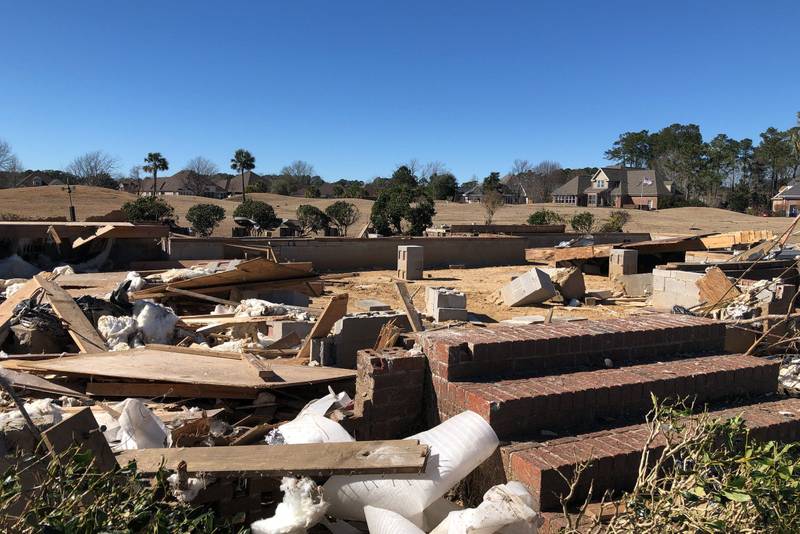
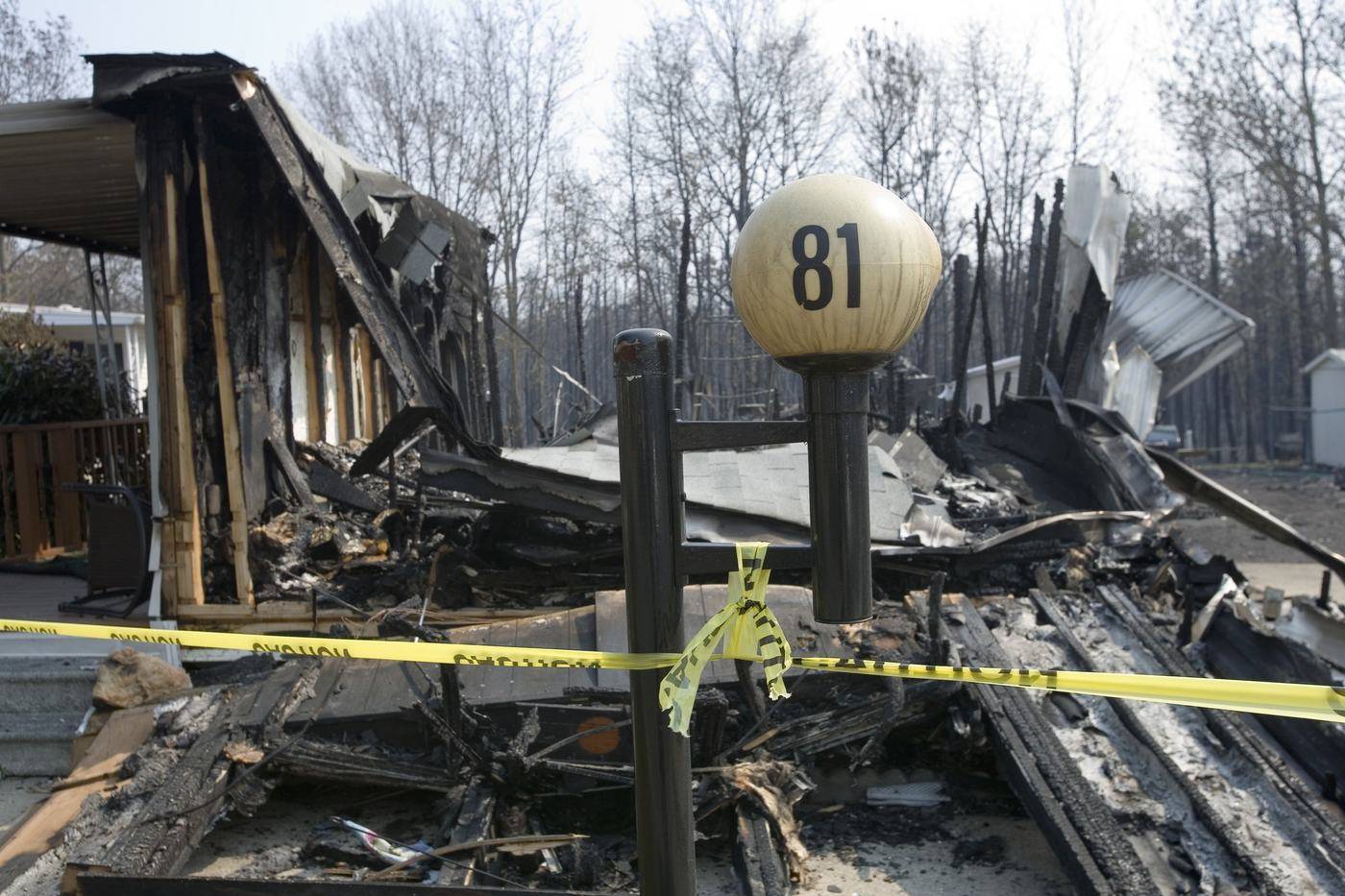
A homeowner or business owner might hire a public adjuster after serious property damage, such as a house fire, a tree through the roof in a windstorm, or water damage from pipes that burst in a freeze, especially if the insurer’s offer doesn’t seem reasonable. A public adjuster is usually paid a percentage of what the insurer pays on the claim, so they have every reason to see it paid in full. To help the process along, note some details about what an adjuster does and how to work with them effectively.
- An adjuster will need to know the “ins and outs” of your insurance policy, including its limits and what’s covered and not covered. The adjuster and your insurer will work within those limits, so don’t assume your adjuster can simply demand a certain amount from your insurer.
- Have your policy paperwork ready when you call. This includes the whole policy and not just a proof of insurance or other such statement.
- Your adjuster will ask you questions about your loss but will also investigate it on their own, so have all paperwork about the loss ready for him or her. This includes fire department or police reports, contractor estimates and anything the insurer has sent you.
- Since an adjuster investigates claims on their own, it does no good to try to hide information from them! If a report contradicts your account, for example, the adjuster will find it, and misstating a claim can put your coverage at risk.
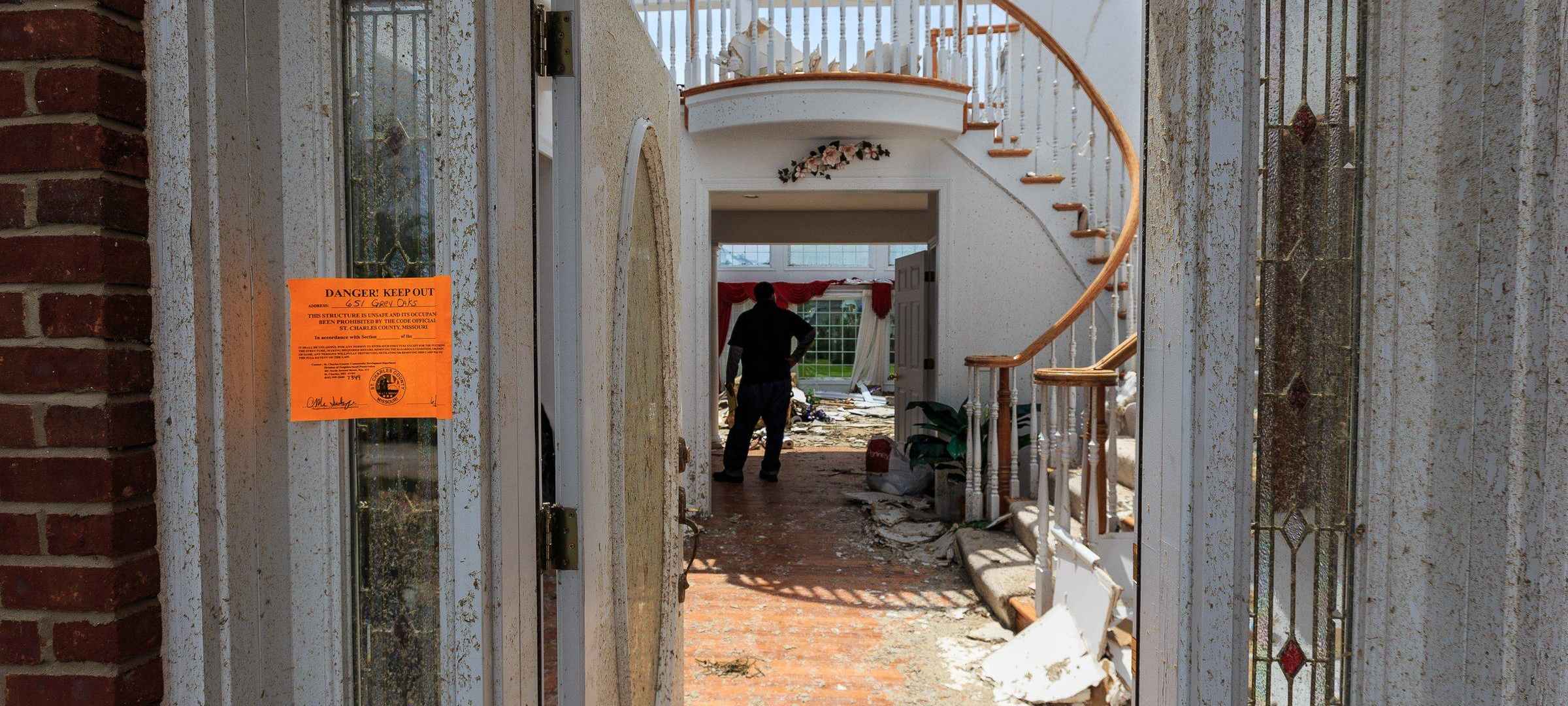
- One common part of an adjuster’s investigation is inspecting the damage themselves. Don’t be surprised if they want to go through your home or business after a fire, a storm or a water leak, and look at damaged items or photos of items that were destroyed, such as furniture and artwork.
- An adjuster might also ask for receipts for items damaged in a fire or by water, or for details about those items so he or she can research their value. Be prepared to give those details in full so your losses can be fully documented.
- If you haven’t yet filed a claim, or if your insurer is asking for more paperwork, a public adjuster can help. Their help means you don’t overlook needed papers, receipts or proof of damage, which reduces delays in a settlement offer.
When and Why You Need a Loss Adjuster
Keep in mind that you’re not legally or otherwise required to hire a public adjuster when dealing with your insurance company. You can negotiate with your insurer yourself for any property loss or damage; if you receive what you feel is a fair offer, you are certainly free to accept it!
Some claims are also so minor that property owners might not feel it’s worth the time or effort to find and work with an adjuster. For instance, the insurer’s offer might be just a few hundred dollars less than you think you should receive. If those few extra dollars aren’t worth the time it takes to work with an adjuster, you might not need to hire one.
However, it’s vital that property owners understand when and why a public adjuster is the right choice for them. You might be willing to let a few hundred dollars go, but hiring an adjuster is worth the time and effort if you sincerely believe you should be getting several thousand dollars more than what’s being offered!
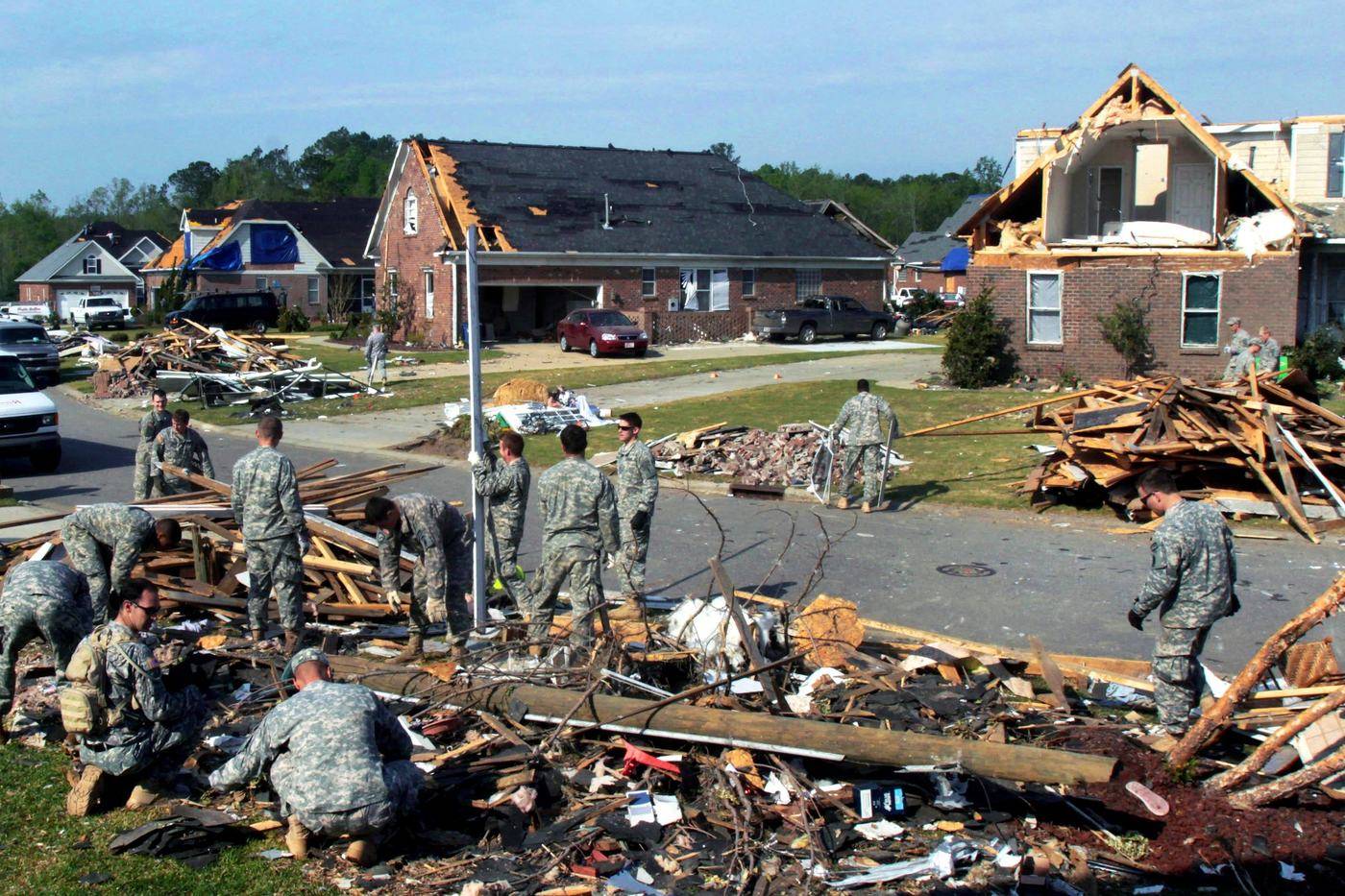
It can also pay to hire a public adjuster when a claim is detailed and difficult to handle on your own. A claim for one damaged gutter is simple. If your home or business has suffered a fire, or water damage that runs through several rooms, the claim becomes far more complicated!
A public adjuster can help you claim everything damaged or lost, including furniture, artwork, household items and office equipment, and, for a business, the costs of being closed if the policy covers them. Rather than working through the paperwork and requirements alone, and risking overlooking something, you have someone to make sure nothing is missed.
Flood is the exception to know about in the Charlotte area, where heavy rain from hurricane remnants can push creeks over their banks. A standard homeowners policy does not cover flooding from rising water; that takes a separate flood insurance policy, and the claim is made under that policy.
How Much Does a Loss Adjuster Charge?
Most public adjusters charge a percentage of the money the insurer pays on your claim. The percentage varies from adjuster to adjuster, so ask about it before you hire one.
As with any other professional you hire, an insurance adjuster should give you a written contract stating their fee, the work they’ll do and what they might need from you along the way. You can then raise any questions or concerns before signing, so you know what to expect from the negotiation, their fees and everything else. North Carolina licenses public adjusters through its Department of Insurance, so also ask to see the adjuster’s license.
What’s the Difference Between a Loss Adjuster, Public Adjuster, and Lawyer?
Insurance companies use adjusters to investigate claims and then offer a settlement to the policyholder. That adjuster is usually a different person from your insurance agent, whose job is to sell you a policy and service it. A public adjuster is also a loss or insurance adjuster, but he or she works for the public, meaning the policyholder!
A public adjuster is not a lawyer and cannot give you legal advice or represent you in court. If you still strongly feel that a settlement is far less than your policy owes, you might need a lawyer to take the matter further. Many property policies also have an appraisal clause, which lets each side choose an appraiser to settle a disagreement over the amount of the loss; read more about property damage appraisers in Charlotte.
Note, too, that while a public adjuster cannot give legal advice, they can help you better understand your insurance policy. If you’re having trouble filing a claim simply because you’re unsure whether certain losses are covered, a public adjuster can explain your policy, its coverage and provisions, how to file the claim, and what to expect from the insurer. Their help can make the whole process easier to understand.